Neglecting proper finishing is the most common mistake in concrete projects; it’s why surfaces feel uneven and wear out early. The safe rule: decide the finish around how you’ll use the space every day, then make sure the structure underneath is built to support that finish long term.
What does “finish” actually include on patios, driveways, and paths?
Finish isn’t just surface appearance. It’s clean edges, consistent joint spacing, smooth transitions to adjacent surfaces, and a surface that feels comfortable and stable underfoot. Those choices determine whether a space looks complete and works effortlessly months and years from now.
What’s the fastest way to balance finish and durability on a patio or driveway?
Start with use, then specify the structure. Ask for base preparation that’s appropriate for traffic and loading, edge restraints that keep lines true, and jointing that won’t migrate or clog. If you’re weighing options for a hard-wearing surface with a premium look, explore adaptable systems like our region’s paver work showcased under Paver Patios & Driveways in Kelowna, BC: the visible finish can be beautiful while the foundation stays purpose-built for vehicles and gatherings.
How do you keep a walkway elegant without creating trip hazards?
Insist on consistent joint spacing and flush transitions where hardscape meets thresholds, turf, or gravel. Stepping stones should align with a natural stride so each step feels deliberate and stable, not like an afterthought. For inspiration and scope clarity, see the detailing called out in Paver Pathways & Walkways in Kelowna, BC.
Do retaining walls need a “finished” face if they’re mostly functional?
Yes, finish affects both safety and longevity. Corners, caps, and step-downs should feel integrated, not added on. Equally important is what you don’t see: ask how drainage will be handled so hydrostatic pressure doesn’t undermine the wall you just invested. A wall that looks clean and sheds water correctly is the definition of finish meeting everyday use.
Where should finish matter most around outdoor kitchens and seating areas?
Look for smooth, snag-free transitions so chairs don’t rock and toes don’t catch. Keep joint lines and edges intentional around appliance zones and doors; small misalignments become daily annoyances when you’re cooking, serving, and moving through the space. Surfaces should feel comfortable underfoot even when you’re standing for a while.
How do you keep water features beautiful without daily fuss?
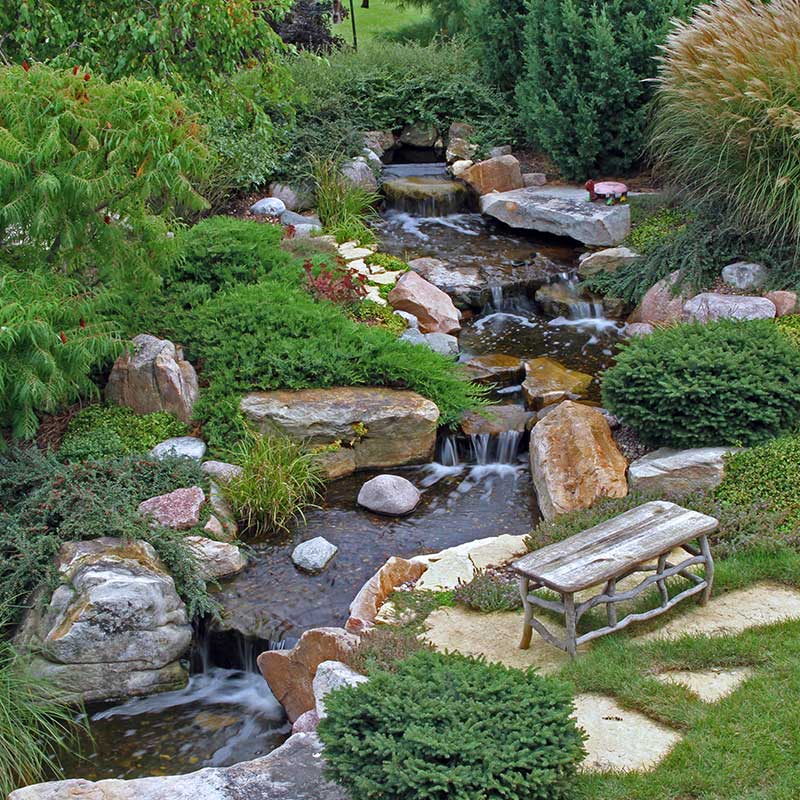
Finish the edges where water meets stone or paving so splash and drift are controlled. Ask how access for pump maintenance is concealed yet easy to reach. A water feature that’s detailed for runoff, overspray, and debris is one you’ll enjoy, not manage.
What role does lighting play in “finish vs. everyday use”?
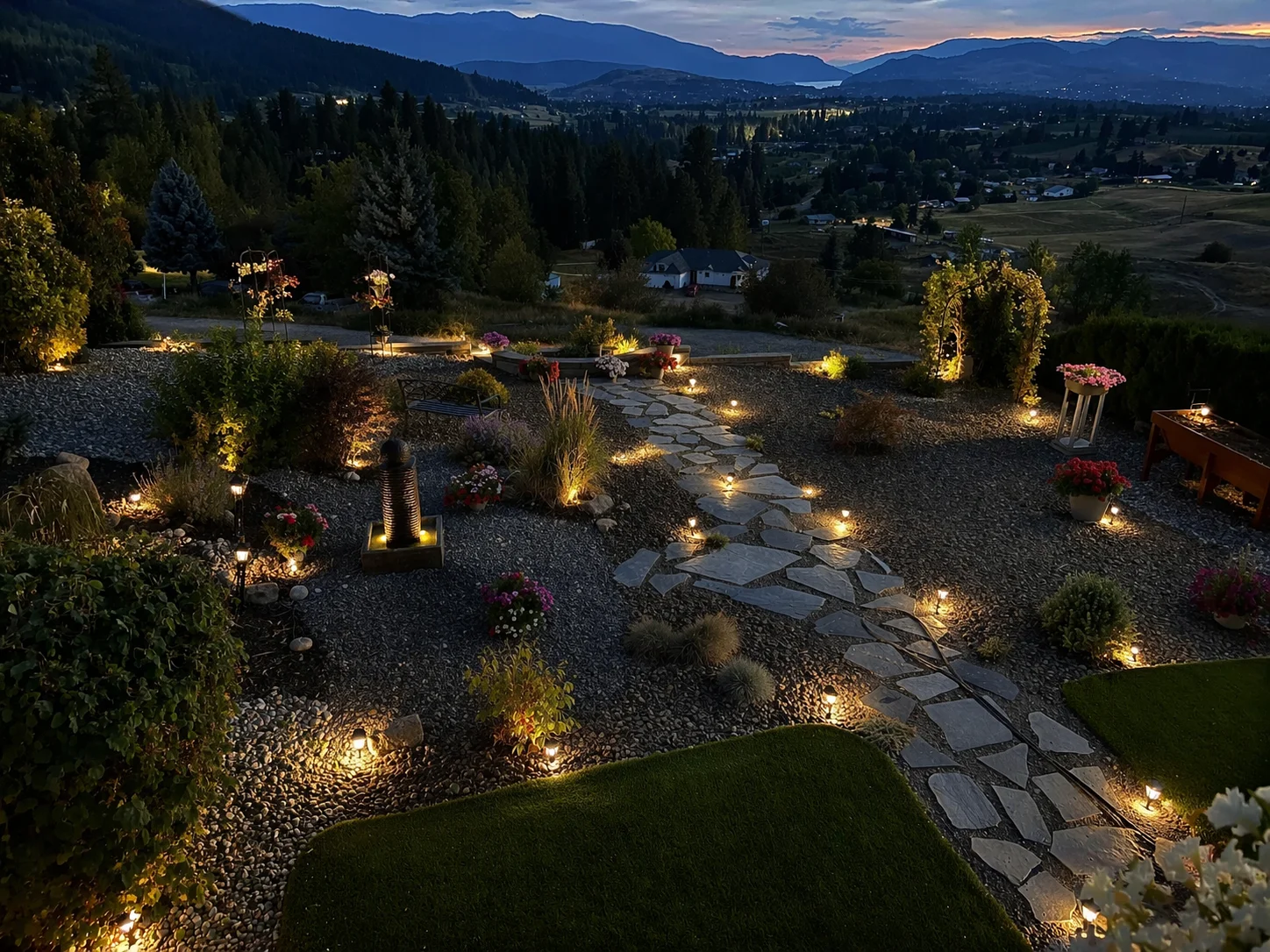
A lot. Good lighting resolves beautiful surfaces into safe movement after dark, especially on steps, transitions, and along tight edges. Specify fixtures and placement that reveal texture without glare, and prioritize paths and grade changes first.
What’s the quiet giveaway that a project prioritized looks over use?
Lippage and abrupt transitions: surfaces that look crisp from a distance but catch shoes, wobble furniture, or puddle after rain. If a surface makes you think about it every time you cross it, the finish wasn’t aligned with how you live in the space.
How do you prevent finish issues before anything is built?
Preview them. A clear design-and-build process lets you “walk” edges, transitions, and circulation before construction, so small adjustments happen on screen, not in your yard. If you like seeing your choices resolved in context, take a look at How 3D Landscape Design Works: The Process Step by Step.
Quick PAA checks across popular project types
- Patios and driveways: Ask how base prep, edge restraint, and jointing are matched to weight and weather, and how the finished surface will feel underfoot during heat and cold. See options under Paver Patios & Driveways in Kelowna, BC.
- Walkways: Confirm stride spacing, consistent joints, and transitions to turf or beds so maintenance stays easy. Browse examples in Paver Pathways & Walkways in Kelowna, BC.
- Retaining walls: Ask where water goes, how caps are finished at ends and steps, and how wall lines tie into adjacent surfaces so the whole area reads as one space.
- Artificial turf edges: Clarify how edges meet paving and beds so the boundary looks intentional and doesn’t fray or heave.
- Xeriscape planting zones: Ensure bed edges, path interfaces, and rock mulch limits are clean so the planting feels curated, not loose.
- Outdoor kitchens: Check clearances, seating ergonomics, and walkway widths in the design so daily use drives the detailing.
- Lighting: Prioritize stairs, grade changes, and primary paths; use light to explain the landscape at night, not just decorate it.
The through line is simple: finish is how the space meets your day; structure is how it survives your decade. When both are planned together, you stop noticing the surface, and start trusting it. The through line is simple: finish is how the space meets your day; structure is how it survives your decade. When both are planned together, you stop noticing the surface, and start trusting it.