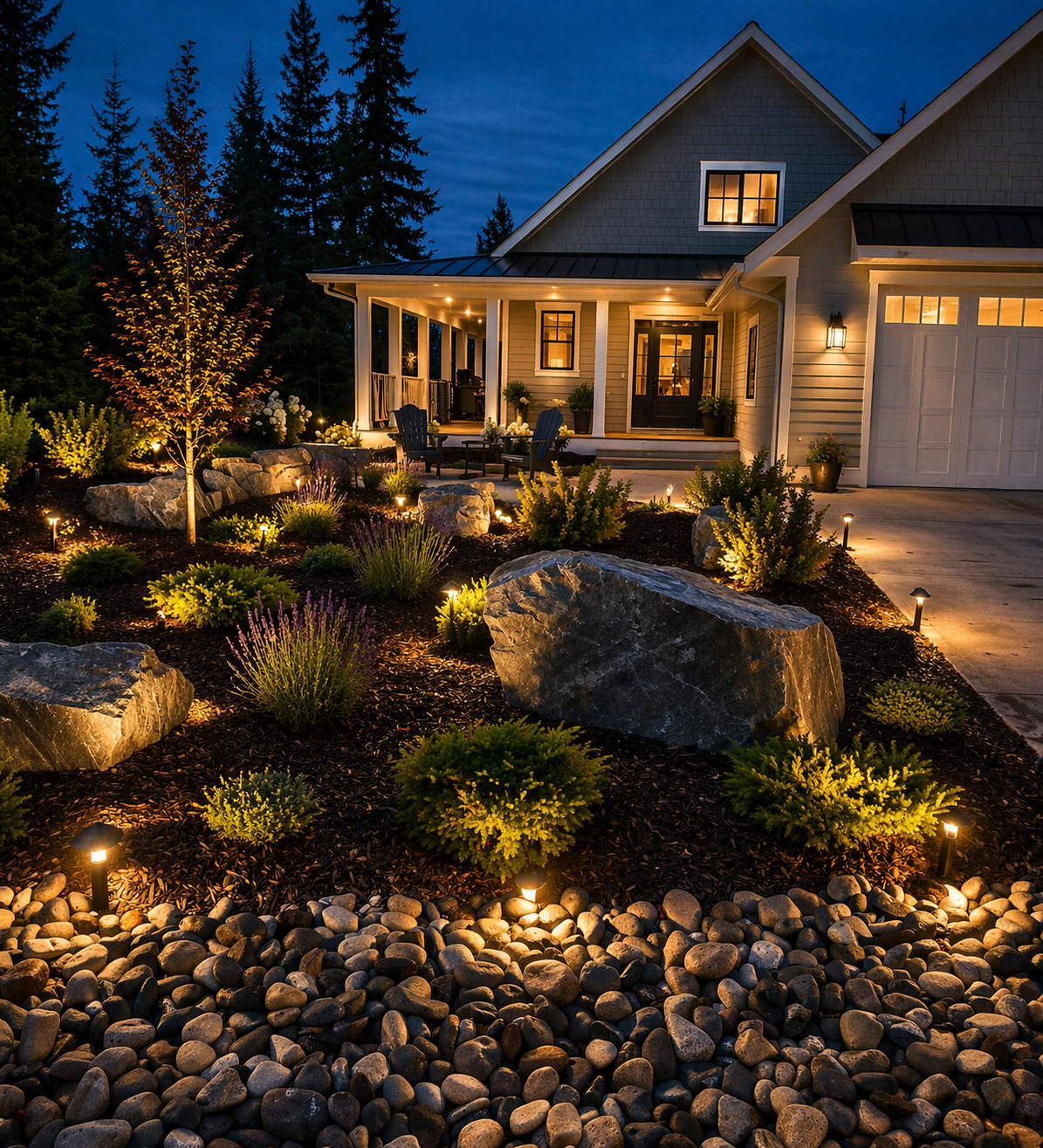
When to Start Planning a Landscape Project in the Okanagan
If you want a landscape project built and enjoyable by summer, the planning needs to start months earlier — typically in late fall or winter. Design work, permitting, and material orders all have lead times that run well ahead of the day a crew actually shows up with equipment.
Why Timing Matters More Than People Expect
Most homeowners think of a landscape project in terms of the build: the week or two when excavators, pavers, and plant material actually arrive. But the build is the last and shortest stage of a much longer process. Before a shovel goes in the ground, a project has usually already moved through concept design, revisions, material selection, and — depending on scope — permit review. Each of those stages takes real calendar time, and none of them can be rushed without cutting corners that show up later in drainage problems, settling, or plant failure.
Design work itself is not weather-dependent, which is exactly why winter is the ideal time to start it. Site measurements, 3D concept modeling, and material planning can all happen at a desk in January just as well as they can in June. The advantage of starting early is that by the time the ground thaws and construction crews are ready to mobilize, your design is already finalized, your materials are already sourced, and you are not competing with every other homeowner who waited until the first warm weekend to call a contractor.
Permit lead times are the second major factor. Not every project requires a permit, but retaining walls above a certain height, work near the water, and larger structural additions typically go through some form of municipal review. That review is handled by local government offices on their own timelines, not the contractor’s, and it can take considerably longer during the busy spring application season than it does in the off-season. Starting design and permit-related paperwork in winter means any required approvals have a much better chance of being in hand before your ideal construction window opens.
Contractor scheduling is the third piece, and it is the one most homeowners underestimate. Reputable design-build companies in the Okanagan book their construction calendars months in advance, and the spring and summer months fill first. A homeowner who starts the design conversation in April is often choosing between whatever construction slots remain that season, rather than the ideal early-summer window. Starting in the off-season gives you first pick of the schedule rather than the leftovers.
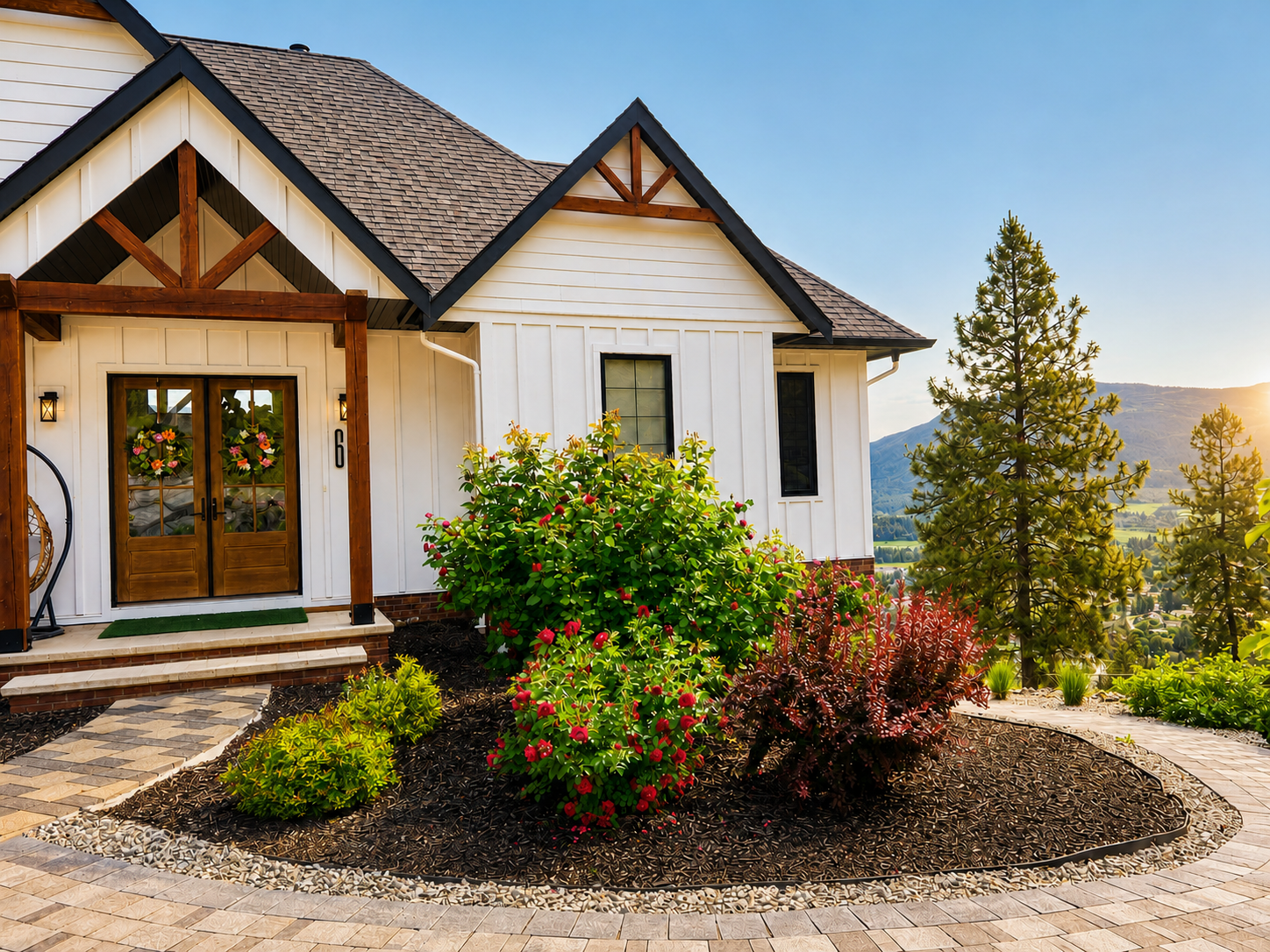
A finished front-yard landscape by Kalagan Outdoor Design
Okanagan-Specific Factors for Landscape Design
The Okanagan’s climate creates a fairly firm construction season. Frozen and frost-heaved ground through the winter months makes excavation, grading, and base preparation impractical, and spring runoff can leave sites too wet to work efficiently well into April in some years. That effectively concentrates most hardscape and grading work into a window roughly from late spring through fall, which is exactly why so many homeowners are trying to book the same contractors at the same time. Planning ahead of that rush — rather than during it — is the single biggest lever a homeowner has over their own timeline. It is also worth noting that mid-to-late summer in the Okanagan brings wildfire season, which can affect scheduling for FireSmart-related landscaping work in particular; homeowners in higher-risk areas often plan that work for spring so it is complete before peak fire season. Waterfront and shoreline projects add another layer of seasonal consideration, since permitting bodies and environmental review windows for foreshore work can be more restrictive at certain times of year. None of this means a project started later in the season can’t happen — it simply means the available construction dates and design flexibility shrink the longer a homeowner waits to start the conversation.
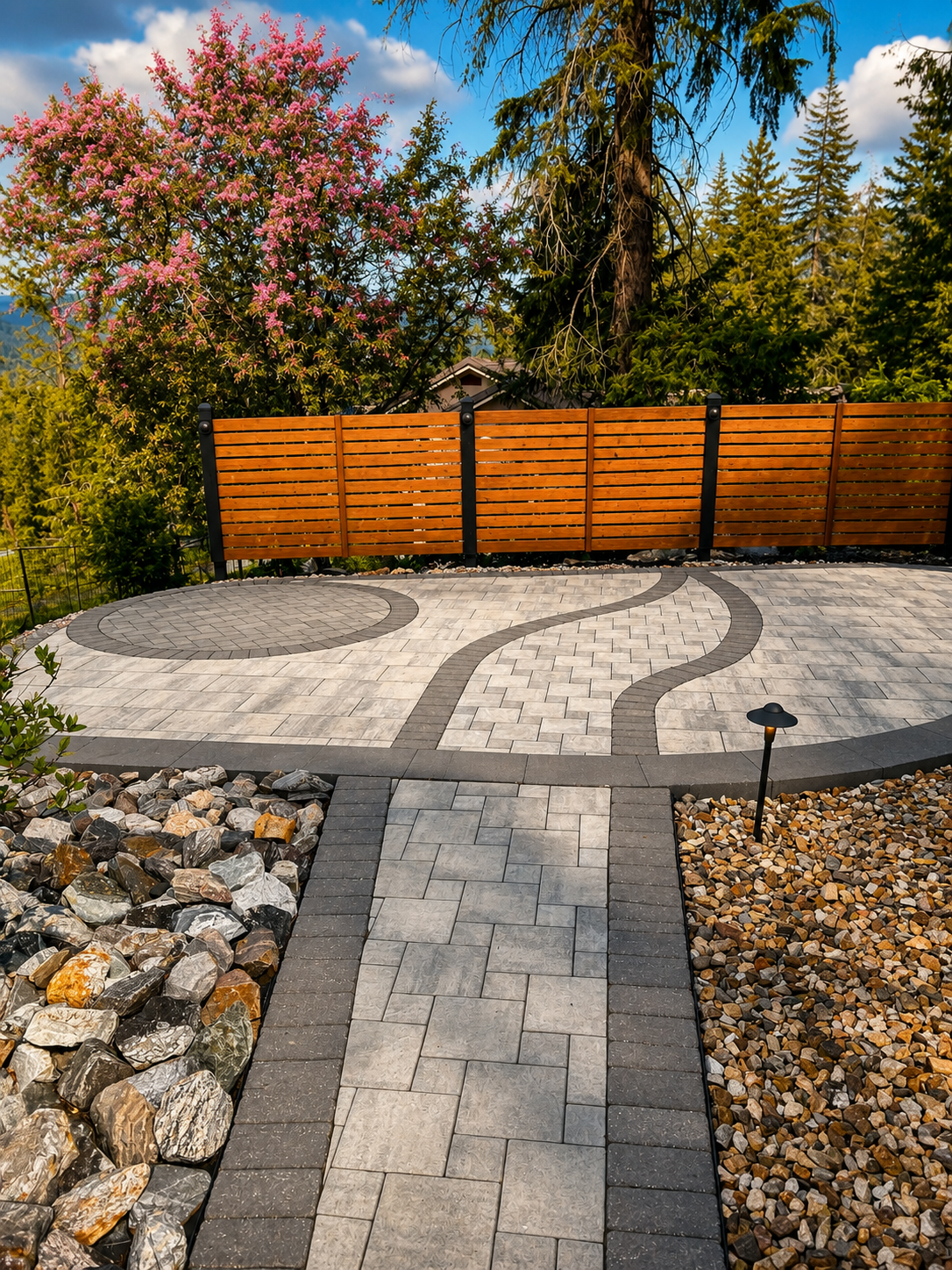
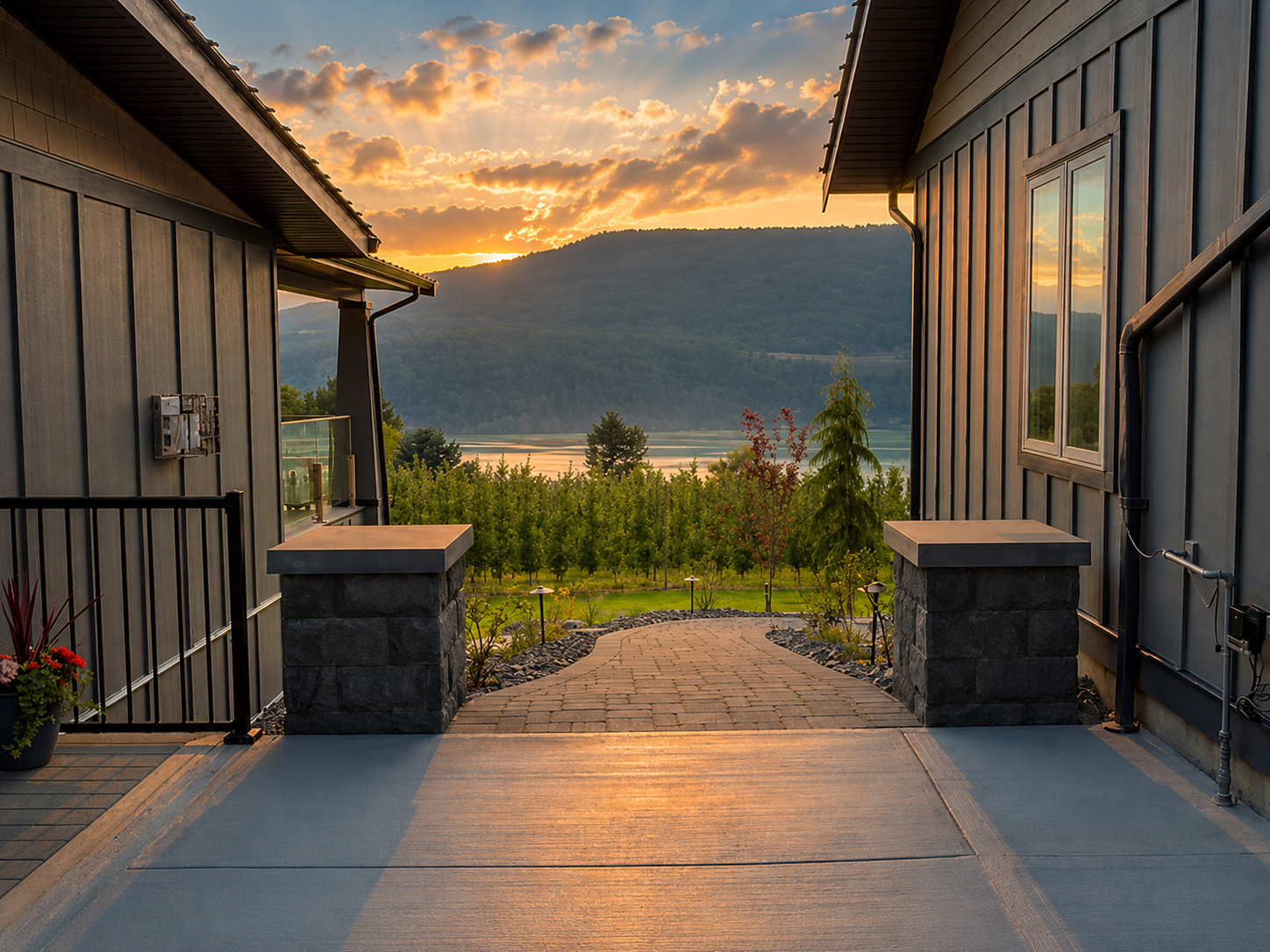
For a full walkthrough of what happens between the first design conversation and the final walkthrough, see The Design-Build Timeline Explained. If your project involves a retaining wall, waterfront work, or another structure that may require municipal review, our Permit & Regulation Handling page covers how that process typically works. And once your project is designed, our 3D Landscape Design service is where the planning phase described above actually takes place. If you’re timing a build around the changing seasons on the other end, our Fall Landscape Prep and Spring Landscape Prep Checklist guides are useful companion reading.
Ready to Start the Conversation?
The earlier you start planning, the more control you have over your design, your materials, and your construction date — book a consultation to get your project on the calendar.
Book a Consultation →