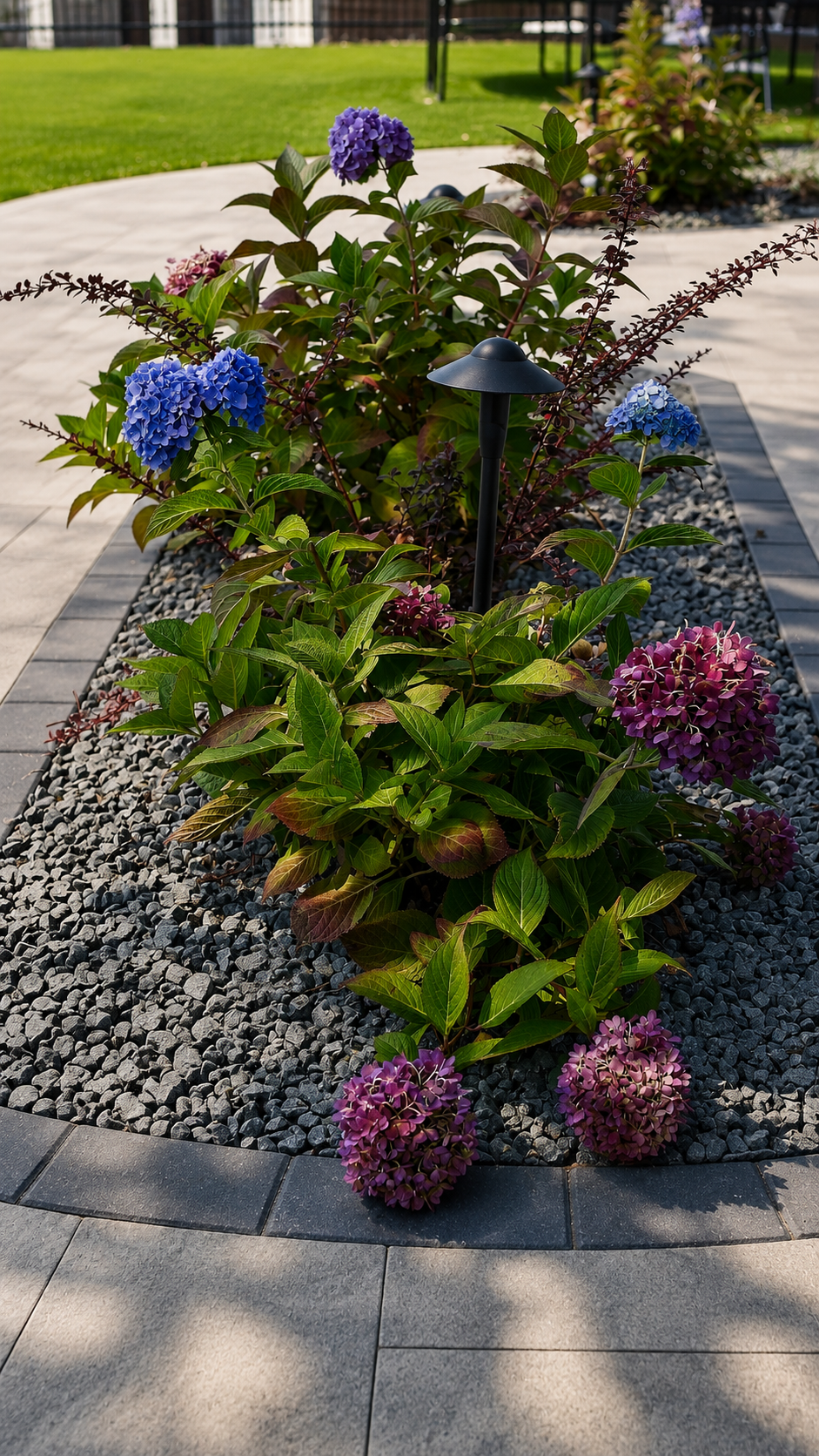
Deer-Resistant Perennials for Vernon
No perennial is truly “deer-proof,” but lavender, catmint, Russian sage, peonies, daffodils, and ornamental alliums are consistently among the least-browsed choices in Vernon and North Okanagan gardens. Deer avoid strongly aromatic, fuzzy-leaved, or toxic-bulb plants far more often than they avoid tender, tasty ones — and building a bed around that logic is the real strategy.
Why Deer Skip Some Plants and Devour Others
Deer browse by smell and texture as much as taste. Strongly aromatic foliage, fuzzy or leathery leaves, milky sap, and spiny or grassy textures all make a plant less appealing than something soft, tender, and mild-scented. That’s the pattern behind almost every plant on a genuine deer-resistant list — and it’s also why the “resistance” label is really a preference, not a rule. In late winter or during a drought year, a hungry deer will sample almost anything, including plants normally left alone. The goal with a deer-resistant planting plan isn’t zero risk; it’s stacking the odds heavily in your favour.
Highly Deer-Resistant: Aromatic Foliage
These are the workhorses of a deer-resistant Okanagan garden, and most double as drought-tolerant, xeriscape-friendly plants:
Lavender (Lavandula angustifolia) — The classic. Deer almost universally avoid its oily, scented foliage. Full sun, well-drained soil, thrives on neglect once established.
Catmint (Nepeta) — Long-blooming, silvery-grey foliage with a sharp mint scent deer dislike. Extremely tough and reblooms if sheared after the first flush.
Russian sage (Perovskia atriplicifolia, sometimes sold as Salvia yangii) — Airy purple spikes, silvery stems, strong sage-like scent. Handles heat and poor soil without complaint.
Artemisia (wormwood, ‘Silver Mound’, ‘Powis Castle’) — Silvery, finely cut, intensely aromatic foliage that deer reliably pass over.
Lamb’s ear (Stachys byzantina) — Soft, fuzzy silver leaves that deer find unappetizing texturally, not just by scent.
Ornamental and culinary salvias — Most salvia species share the aromatic-leaf trait that keeps deer away.
Bulbs Deer Reliably Avoid
Daffodils (Narcissus) — Contain lycorine, a compound toxic enough that deer and rodents alike leave them alone. One of the few truly dependable spring bulbs in a browsed garden.
Ornamental alliums — Their oniony scent and taste is an effective deterrent; the globe-shaped blooms also add strong vertical interest against soft perennial foliage.
Fritillaria — Another bulb deer tend to avoid, valued for early, unusual blooms.
Flowering Perennials With Strong Resistance
Peonies (Paeonia) — Long-lived, cold-hardy, and rarely browsed once established; a staple in older Okanagan gardens for a reason.
Bearded iris (Iris germanica) — Tough, rhizomatous, and generally left alone thanks to its stiff, fibrous foliage.
Yarrow (Achillea) — Ferny, aromatic foliage and flat flower clusters; extremely drought-tolerant and low-maintenance.
Euphorbia — Milky, irritating sap makes most euphorbia species unattractive to browsing animals.
Dianthus (pinks) — Spicy-scented, grassy-textured foliage that tends to go untouched.
Moderate Resistance — Use With Some Caution
Coneflower (Echinacea purpurea), rudbeckia (black-eyed Susan), and sedum (stonecrop) are commonly listed as deer-resistant but see more browsing pressure in years when deer traffic is heavy or other food sources are scarce. They’re worth including for bloom variety and pollinator value, but they perform best planted behind or alongside the highly resistant species above rather than as a garden’s first line of defense.
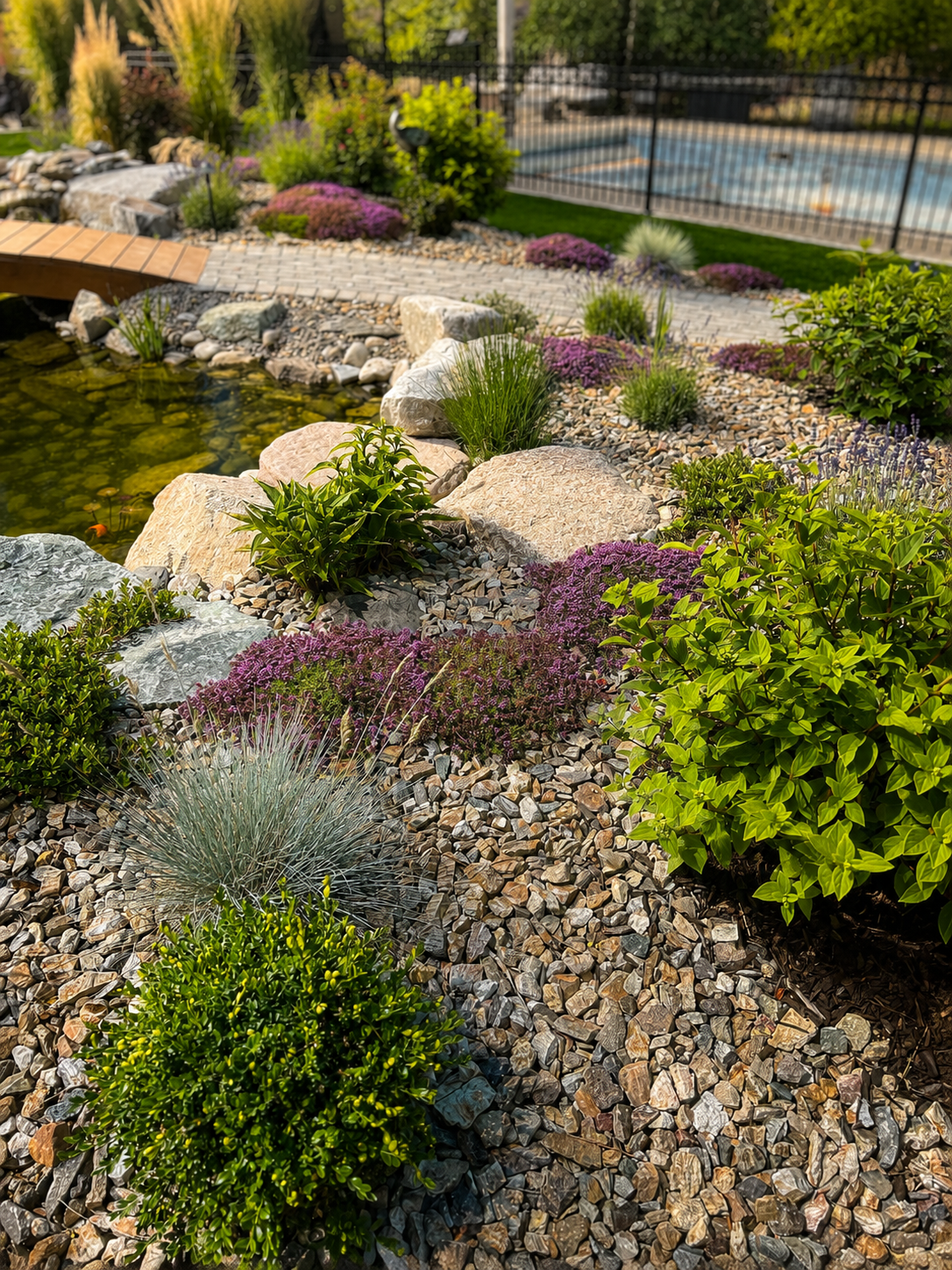
A finished planting bed by Kalagan Outdoor Design
Okanagan-Specific Factors for Planting & Xeriscape Design
Vernon and the North Okanagan sit at the edge of extensive deer habitat, and browsing pressure is genuinely heavier in properties backing onto benchlands, orchard remnants, or undeveloped hillsides than in tighter in-town lots — so the same plant list can perform differently block to block. Most of the aromatic, silver-leaved perennials on this list (lavender, catmint, Russian sage, artemisia, yarrow) are also well suited to the region’s semi-arid climate and water-wise landscaping goals, since drought tolerance and deer resistance tend to overlap in Mediterranean-origin plants. These species also generally handle the Okanagan’s freeze-thaw winters and Zone 5-6 hardiness range well once established, though newly planted specimens benefit from mulch and a sheltered first winter. On properties in or near wildfire interface zones, keep in mind that several deer-resistant aromatics (notably lavender and Russian sage) carry volatile oils and should be positioned with defensible-space spacing in mind rather than massed directly against structures.
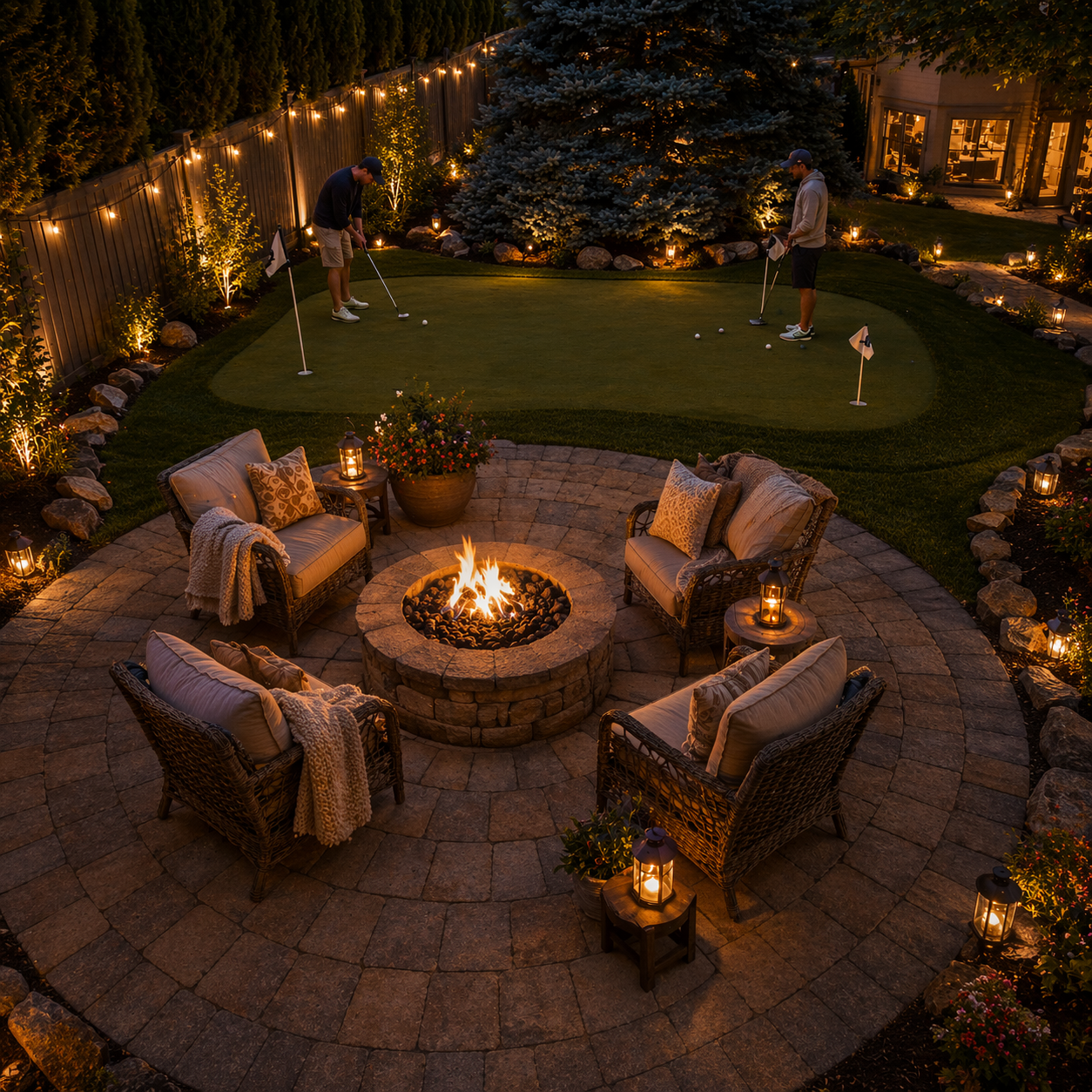
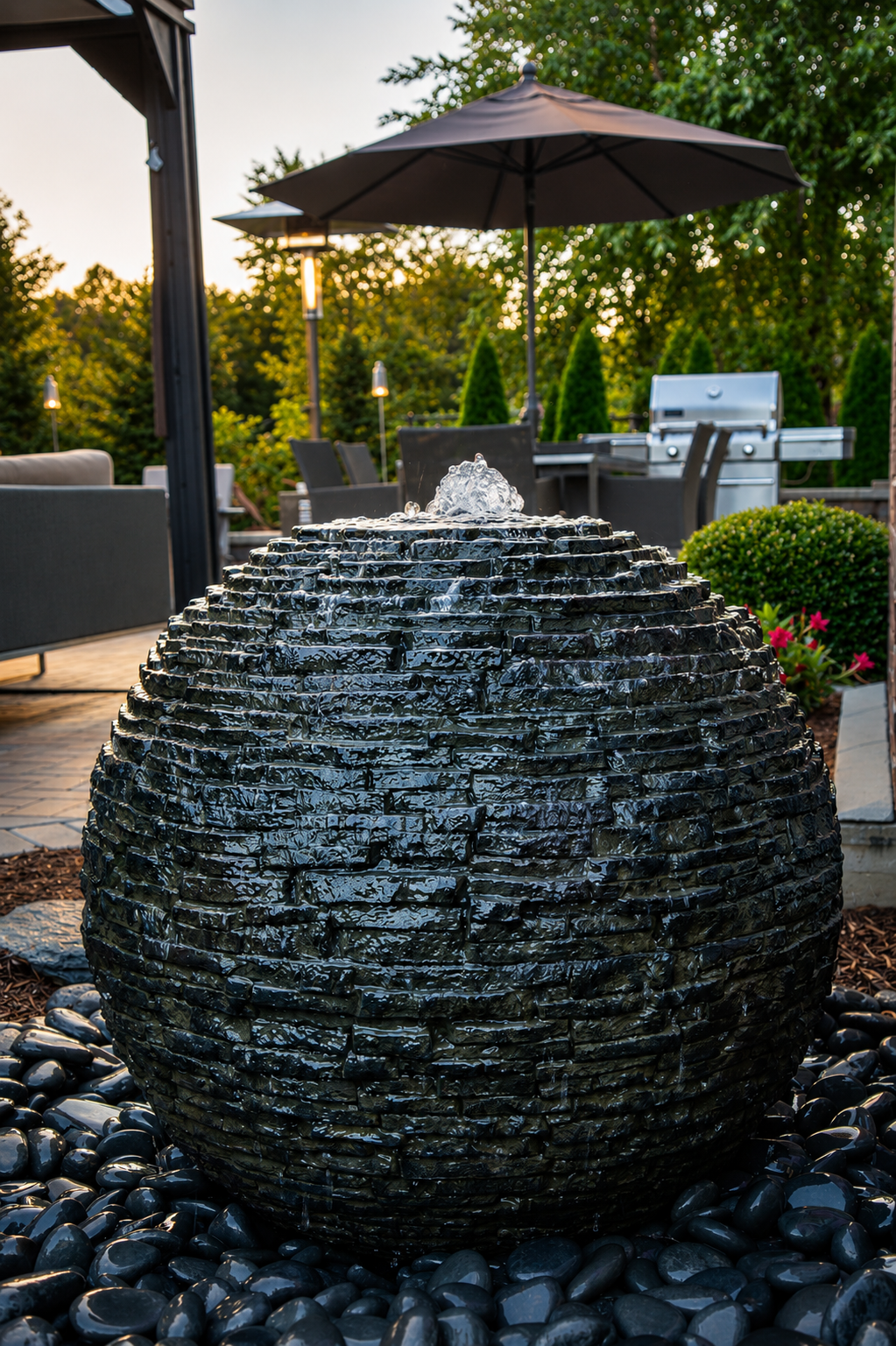
Many of these deer-resistant perennials are also core plants in our xeriscaping and planting design work, since drought tolerance and deer resistance so often go hand in hand. For more plant selection guidance, see our companion guides on 50 Drought-Tolerant Plants for the Okanagan, Zone 5 Native Shrubs for the Okanagan, and Ornamental Grasses for Xeriscape Design.
Ready to Design a Garden Deer Will Leave Alone?
Our planting designers can build a full deer-resistant plant palette suited to your property’s specific browsing pressure and soil conditions.
Explore This Service → Book a Consultation