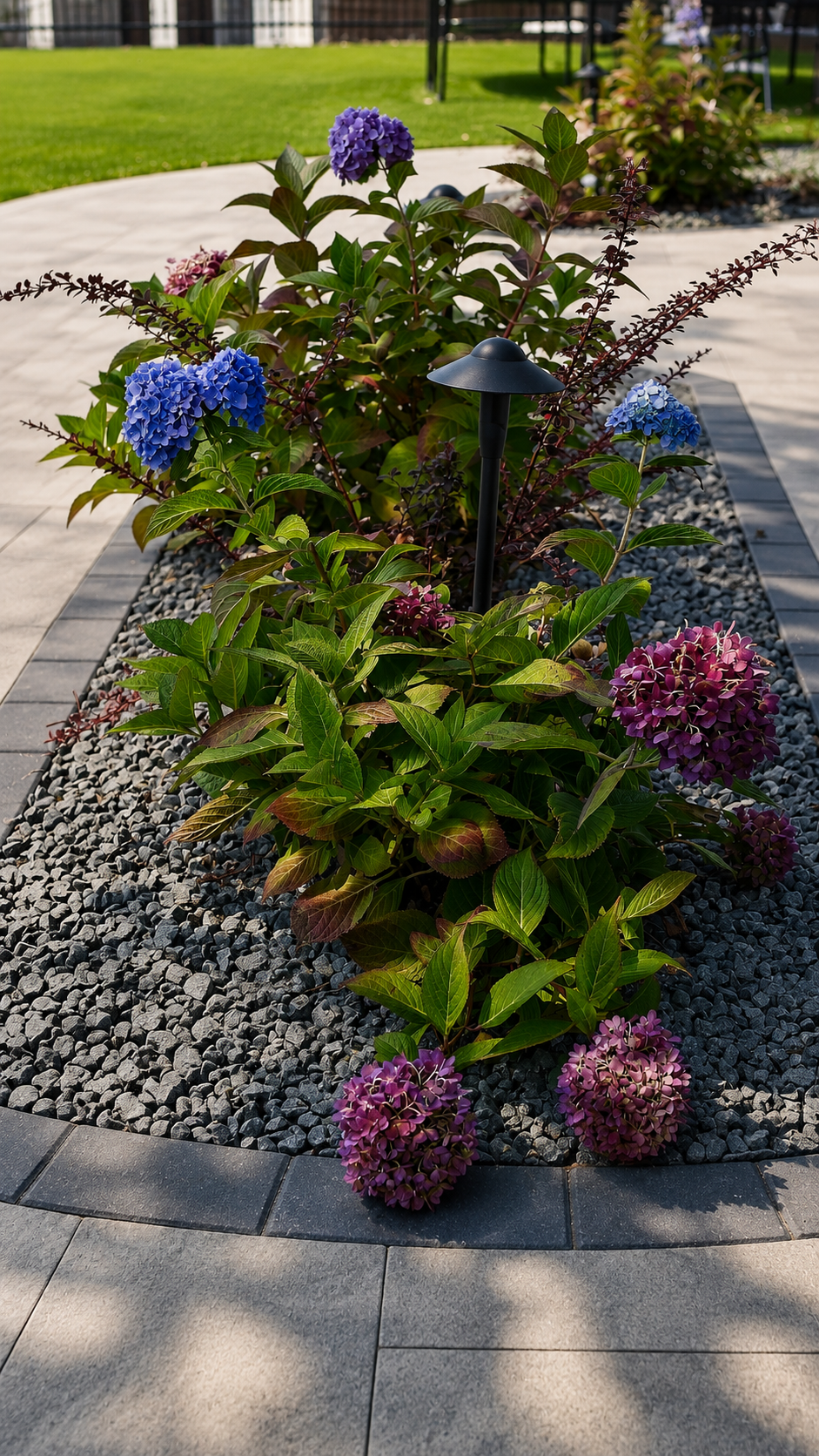
Zone 5 Native Shrubs for the Okanagan
Native shrubs like Saskatoon, mock orange, red-osier dogwood, and common juniper are already adapted to Okanagan winters, summer drought, and our alkaline soils — which means less watering, less replacement, and a planting bed that actually looks like it belongs here. Below is a categorized shortlist of the native and near-native shrubs we plant most often across Vernon, Kelowna, and Lake Country properties rated to USDA/Canadian hardiness zone 5.
Structural & Backbone Shrubs
These are the larger-growing shrubs that carry the bones of a native planting bed — use them for screening, backdrop massing, or as anchor plants near a retaining wall or property line.
- Saskatoon (Amelanchier alnifolia) — Grows 2–5 m, white spring flowers, edible summer berries that draw birds, brilliant orange-red fall colour. Tolerates rocky, well-drained soil and full sun to part shade. One of the most widely planted native shrubs in the BC interior.
- Lewis’ mock orange (Philadelphus lewisii) — BC’s floral emblem. Grows 1.5–3 m with fragrant white flowers in June. Prefers rocky slopes and dry, sunny sites — a natural fit for Okanagan hillside properties.
- Ninebark (Physocarpus malvaceus) — Dense, arching 1–2.5 m shrub with peeling bark and clusters of white-pink flowers. Handles dry, rocky slopes and thin soils well; good erosion control on grades.
- Smooth sumac (Rhus glabra) — Grows 1–3 m, spreads by suckering, and turns brilliant scarlet in fall. Best used where it has room to colonize — along a back fence line or slope rather than a tight bed.
Wildlife & Pollinator Shrubs
If the goal is a planting that supports birds, bees, and beneficial insects, these natives are the workhorses.
- Common snowberry (Symphoricarpos albus) — Compact, 1–1.5 m, spreads to form a natural low thicket. White berries persist into winter and feed birds. Tolerant of both sun and shade, making it useful in transition zones.
- Golden currant (Ribes aureum) — Fragrant yellow spring flowers, edible summer fruit, good fall colour. Highly drought-tolerant once established and a strong early-season pollinator draw.
- Wax currant (Ribes cereum) — Smaller and more compact than golden currant, well suited to hot, dry, rocky sites with minimal irrigation.
- Wood’s rose (Rosa woodsii) — Native wild rose, 1–2 m, pink single flowers followed by rose hips that persist through winter. Suckers to form informal thickets — give it room or contain the root zone.
- Canada buffaloberry (Shepherdia canadensis) — Silvery foliage, tolerates poor, dry, rocky soil, and fixes nitrogen — a genuinely tough, low-input choice for difficult sites.
Xeric & Low-Water Shrubs
For the driest, sunniest, most exposed parts of a property — south-facing slopes, gravel beds, areas without irrigation — these are the most drought-adapted native and near-native options.
- Antelope bitterbrush (Purshia tridentata) — A true dry-grassland native, tolerant of sandy and rocky soil with almost no supplemental water once established. Small yellow spring flowers.
- Big sagebrush (Artemisia tridentata) — The signature shrub of Okanagan grassland benches. Silvery-grey aromatic foliage, extremely drought-tolerant. Best kept away from structures given its fine, resinous foliage — see the wildfire note below.
- Common juniper (Juniperus communis) & Rocky Mountain juniper (Juniperus scopulorum) — Native evergreen conifers with a shrub habit; low, spreading forms work as groundcover on slopes, upright forms work as accents. Extremely low-water once established.
Moist-Site Natives
Not every part of an Okanagan property is dry — low points, swale bottoms, and areas near a pond or drainage feature call for shrubs that tolerate more consistent moisture.
- Red-osier dogwood (Cornus sericea) — Bright red winter stems, white spring flowers, tolerates wet soil and seasonal flooding. A strong choice along the margins of a pond, stream, or drainage swale.
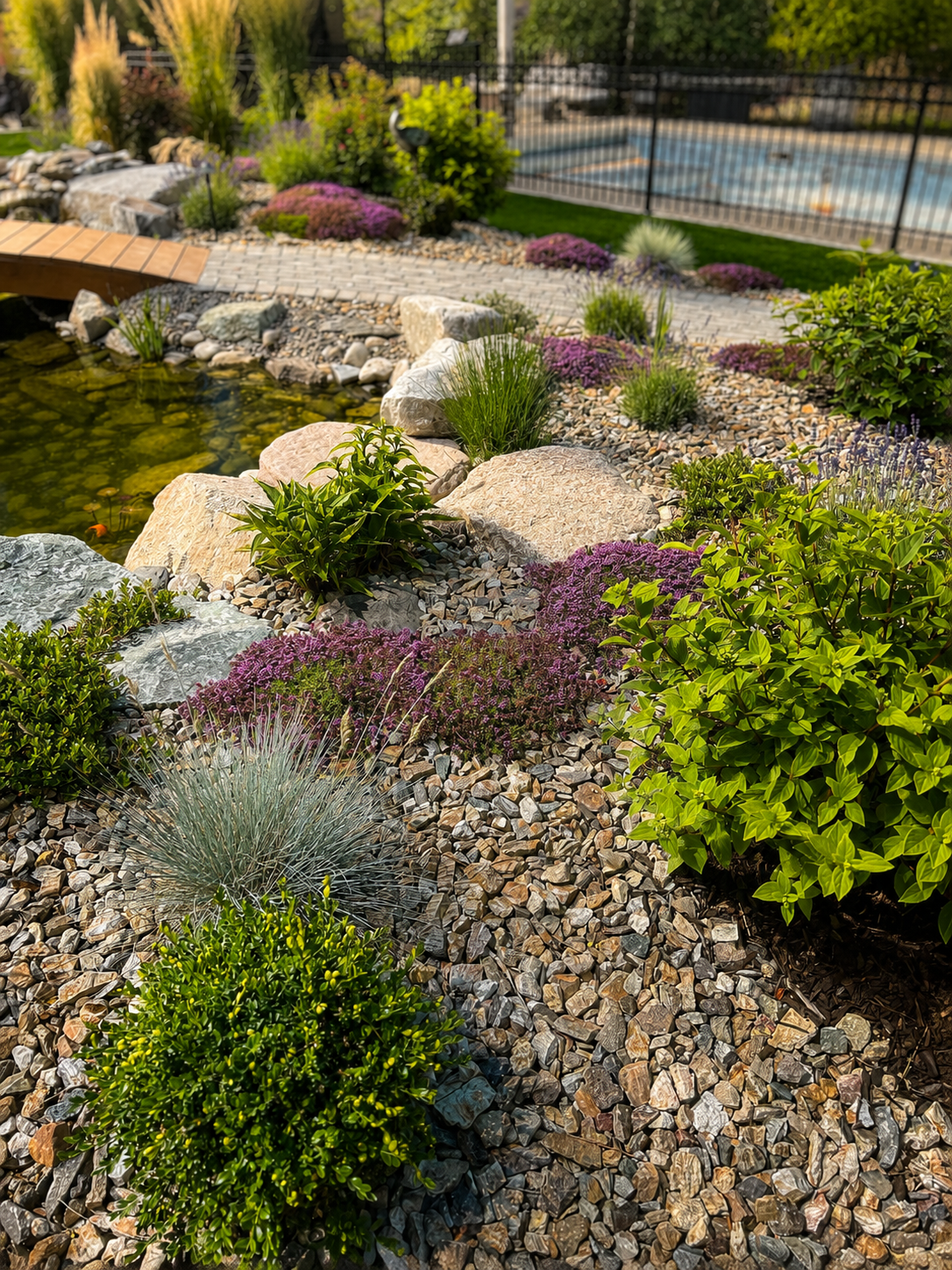
A finished planting bed by Kalagan Outdoor Design
Okanagan-Specific Factors for Planting & Xeriscape Design
Most of the Okanagan Valley floor sits at the warm edge of zone 5, but hillside and bench properties above the valley can drop into zone 4 during a hard winter, so we cross-check every plant list against the actual elevation and exposure of the site, not just the regional average. The native shrubs above earned their place on this list because they already survive our real winter conditions — sharp freeze-thaw cycles that heave shallow-rooted plants, dry, wind-exposed benches, and the alkaline, often rocky and thin soils typical of interior BC grassland and open-forest transition zones. Because they evolved here, they also need little to no supplemental irrigation once established, which matters directly under the Okanagan’s summer water restrictions and semi-arid rainfall pattern. If the property sits inside a FireSmart interface zone, spacing and species selection both matter: resinous, fine-textured shrubs like big sagebrush and juniper carry fire more readily and should be kept well clear of structures and thinned rather than planted in dense continuous mass, while broadleaf, higher-moisture shrubs such as Saskatoon and snowberry are a safer choice in the immediate home-ignition zone. We factor all of this into every planting plan rather than defaulting to a generic nursery list.
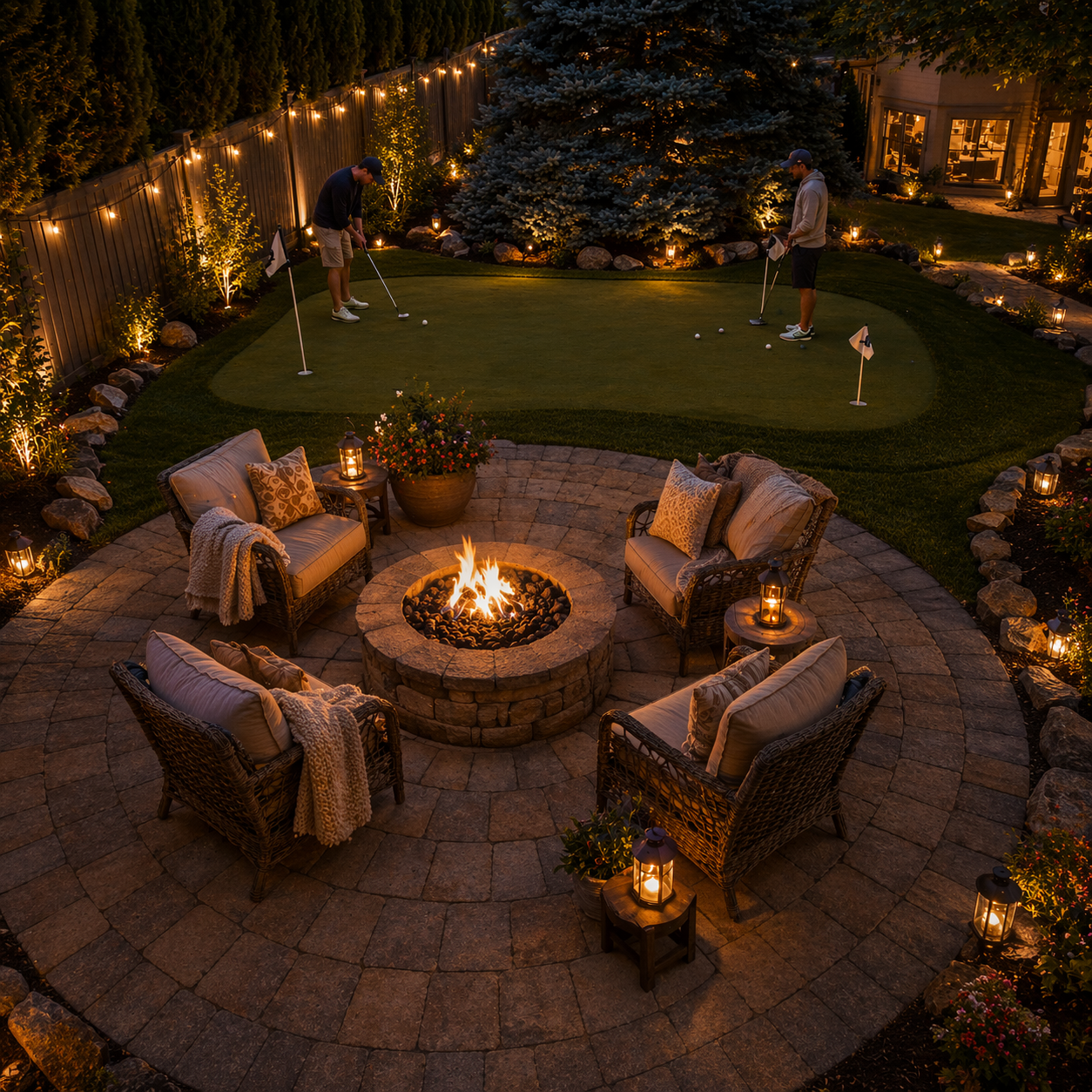
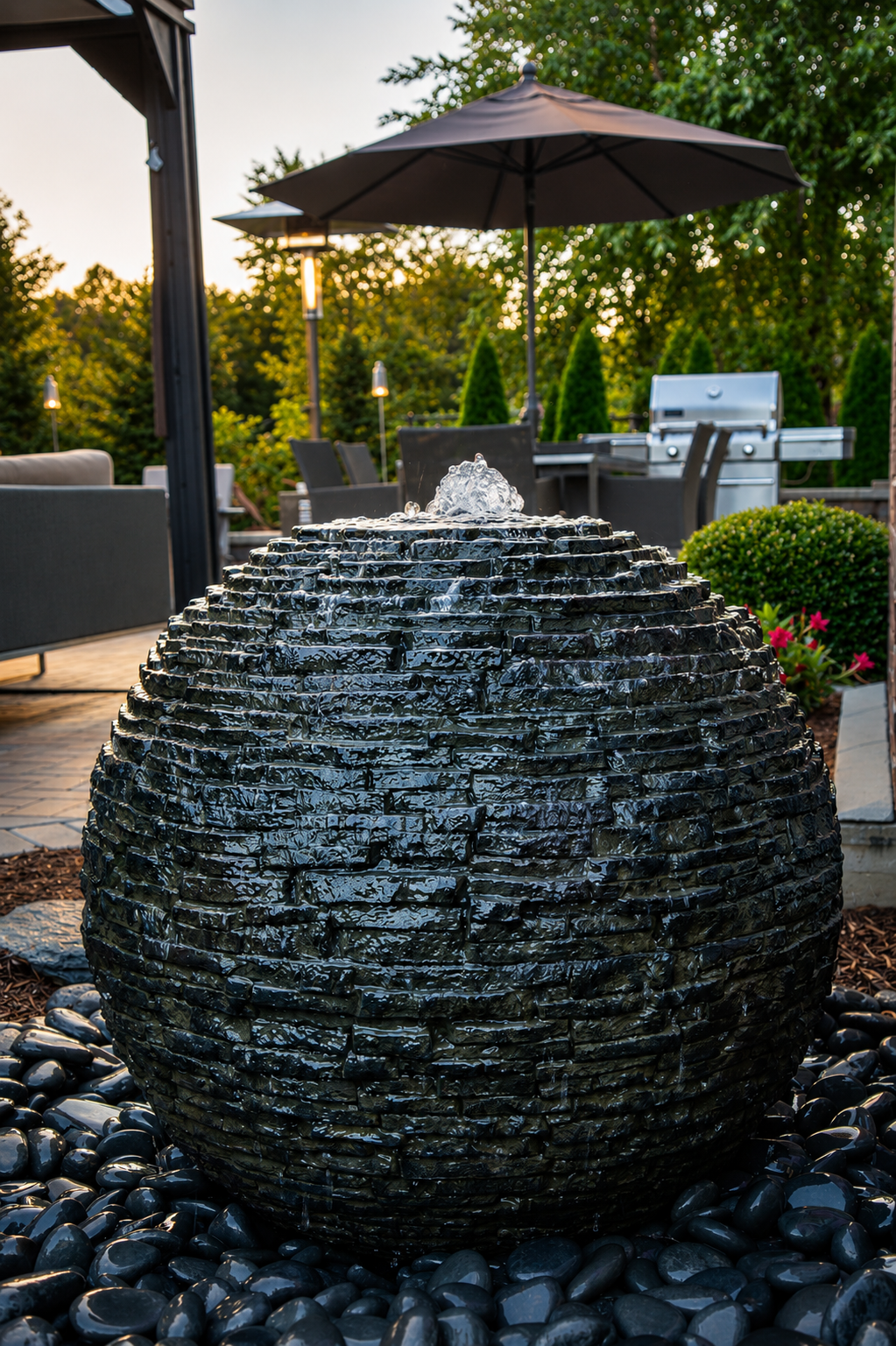
Native shrubs are just one layer of a low-water Okanagan landscape — see our full Xeriscaping & Planting Design service for how we combine shrubs, perennials, grasses, and hardscape into a complete drought-tolerant design. For the perennial and grass layers that pair well with the shrubs above, see 50 Drought-Tolerant Plants for the Okanagan and Ornamental Grasses for Xeriscape Design. Many properties also deal with deer pressure — if that’s a concern alongside drought, cross-reference Deer-Resistant Perennials for Vernon before finalizing a plant list.
Ready to Build a Native Planting Plan?
Talk to our design team about which of these native shrubs fit your site’s soil, sun exposure, and water goals.
Explore This Service → Book a Consultation