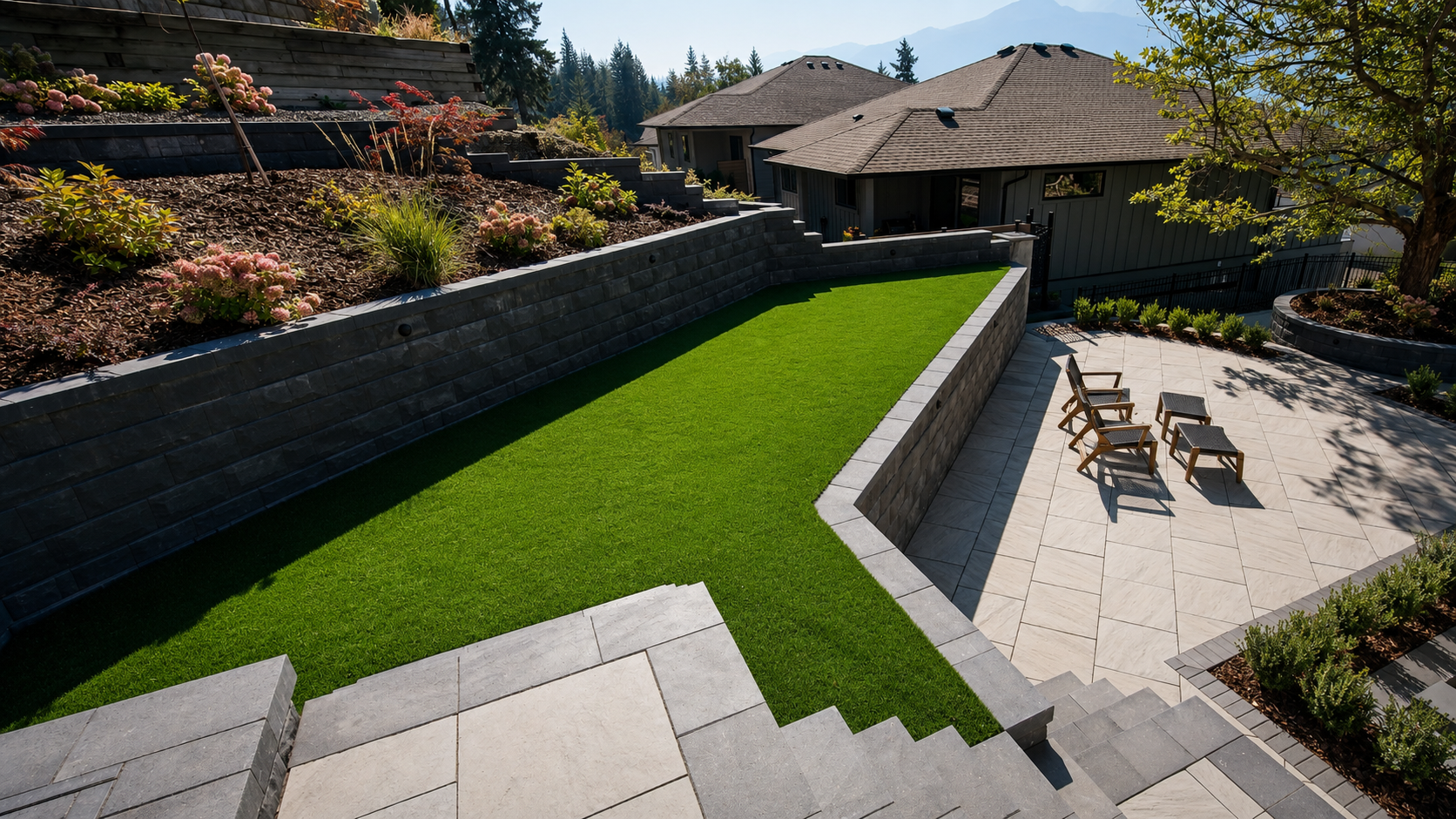
Wave-Protection Walls on Kalamalka Lake
Kalamalka Lake’s open fetch and boat traffic put more repeated wave energy on a shoreline wall than most inland retaining walls will ever see. This guide explains what actually changes in the engineering and construction of a wall built to take that kind of pounding, and where to get the technical depth on foreshore rules and wall systems.
Why Kalamalka Lake Walls Are a Different Problem
Kalamalka Lake runs roughly 20 km north to south with very little shoreline to break up the wind. That long, unobstructed fetch means a strong southerly can build meaningful wave height by the time it reaches shore, and it does it consistently through spring and summer, not just during the odd storm. Add in boat wake from a lake that sees steady recreational traffic all season, and a shoreline wall on Kalamalka is absorbing far more repeated impact energy over its lifespan than a retaining wall holding back a sloped backyard on dry land.
That distinction matters because most retaining wall failures near water do not happen because the wall was pushed over — they happen because water got behind it. Wave action drives water up and over or through a poorly sealed face, that water saturates the backfill, and hydrostatic pressure builds behind the wall with nowhere to go. Freeze-thaw cycling through an Okanagan winter then works on any weakness in the joint or drainage system. A wall designed only for soil retention, without accounting for wave uprush and drainage under cyclic loading, is the type of structure that looks fine for a season or two and then starts to lean, gap, or slump.
What Changes in the Engineering
A properly engineered wave-protection wall typically differs from a standard retaining wall in a few concrete ways: a wider and deeper footing to resist the additional lateral and uplift forces from wave action, free-draining backfill material paired with a drainage system sized for constant wetting rather than occasional rain, and a wall face detailed to either deflect wave energy (a battered or curved profile) or absorb it without letting water track behind the units. Toe protection at the waterline — rock, armor units, or a reinforced base course — is also common on higher-energy stretches of shoreline to prevent scour from undermining the footing over time.
Because these walls sit at or near the water’s edge, they also fall under foreshore and riparian regulation in ways an ordinary backyard wall does not, and lenders, insurers, and local authorities will generally expect a stamped engineering design before work begins. We cover the wall-system side of this in more detail on our waterfront retaining walls page, and the regulatory side is broken down separately below.
Materials and Construction Sequencing
Material choice matters more on a wave-exposed shoreline than it does inland. Segmental retaining wall units, poured concrete, and natural stone can all work, but each needs to be detailed for saturated, cyclically loaded conditions rather than specified the way they would be for a dry slope. Joints and connections between units need to resist the repeated flexing that comes from wave impact over years, not just a single static soil load. Construction sequencing also tends to be tighter on a lake project: excavation and base preparation usually need to happen during a lower-water window, dewatering has to be managed while the footing cures, and any in-water work has to fit inside the timing restrictions that come with foreshore permitting. Skipping or compressing these steps to save time is one of the more common ways a wave-protection wall ends up needing early repair.
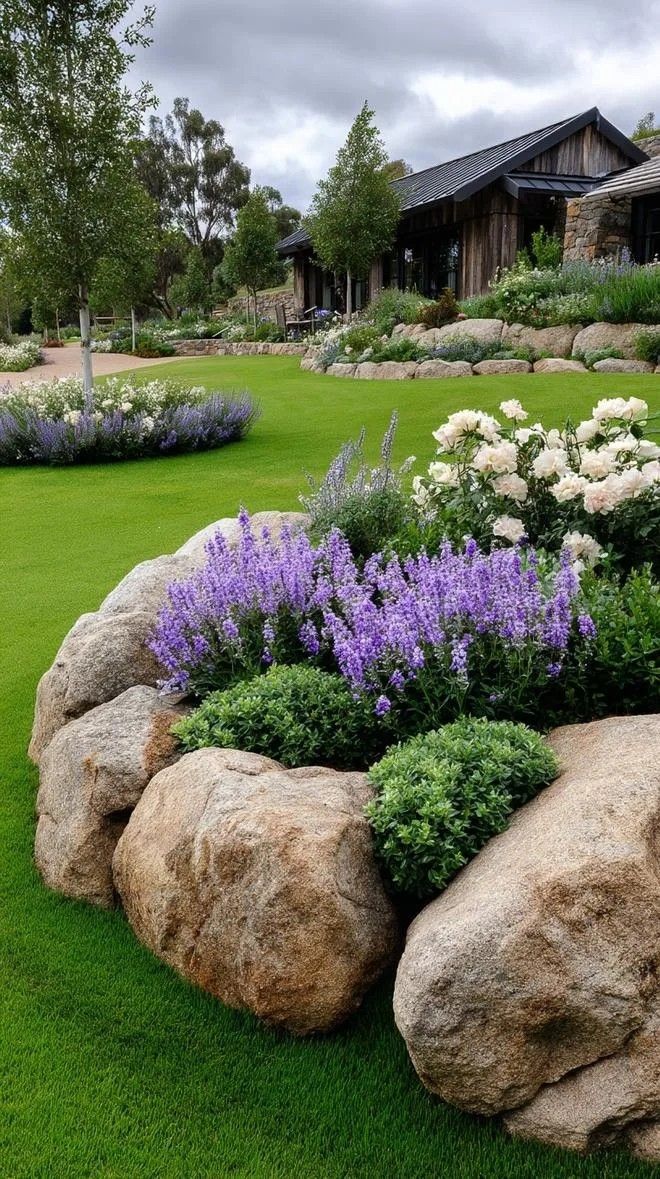
A completed retaining wall build by Kalagan Outdoor Design
Okanagan-Specific Factors for Retaining Walls
Kalamalka Lake sits in the Coldstream / Vernon area, and its wave exposure is not uniform — a wall on a west-facing shoreline exposed to prevailing wind and a busy boating channel is a different design case than a sheltered cove. Winter freeze-thaw is another local factor: water that gets behind a wall face in October can expand as it freezes through the colder months, widening joints and accelerating the exact damage the wall was supposed to prevent. Lake level also fluctuates seasonally with snowmelt runoff, which changes how much of the wall face is actually exposed to wave action at different times of year and needs to be accounted for at the design stage rather than guessed at. Any project on this shoreline also needs to work within provincial foreshore rules and the Riparian Areas Regulation before construction starts — we help clients navigate that process rather than treat it as an afterthought.
See Real Retaining Wall Projects
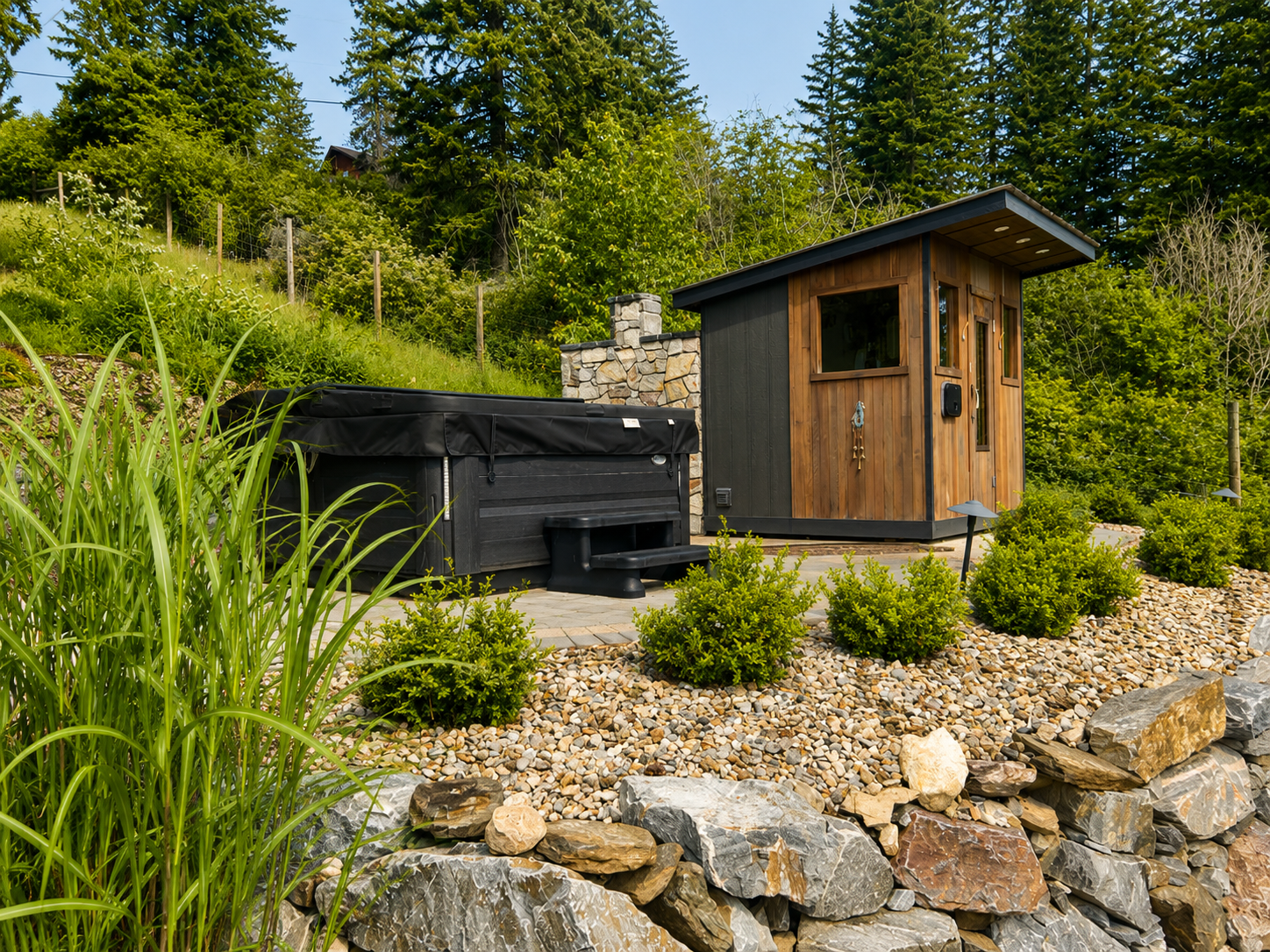
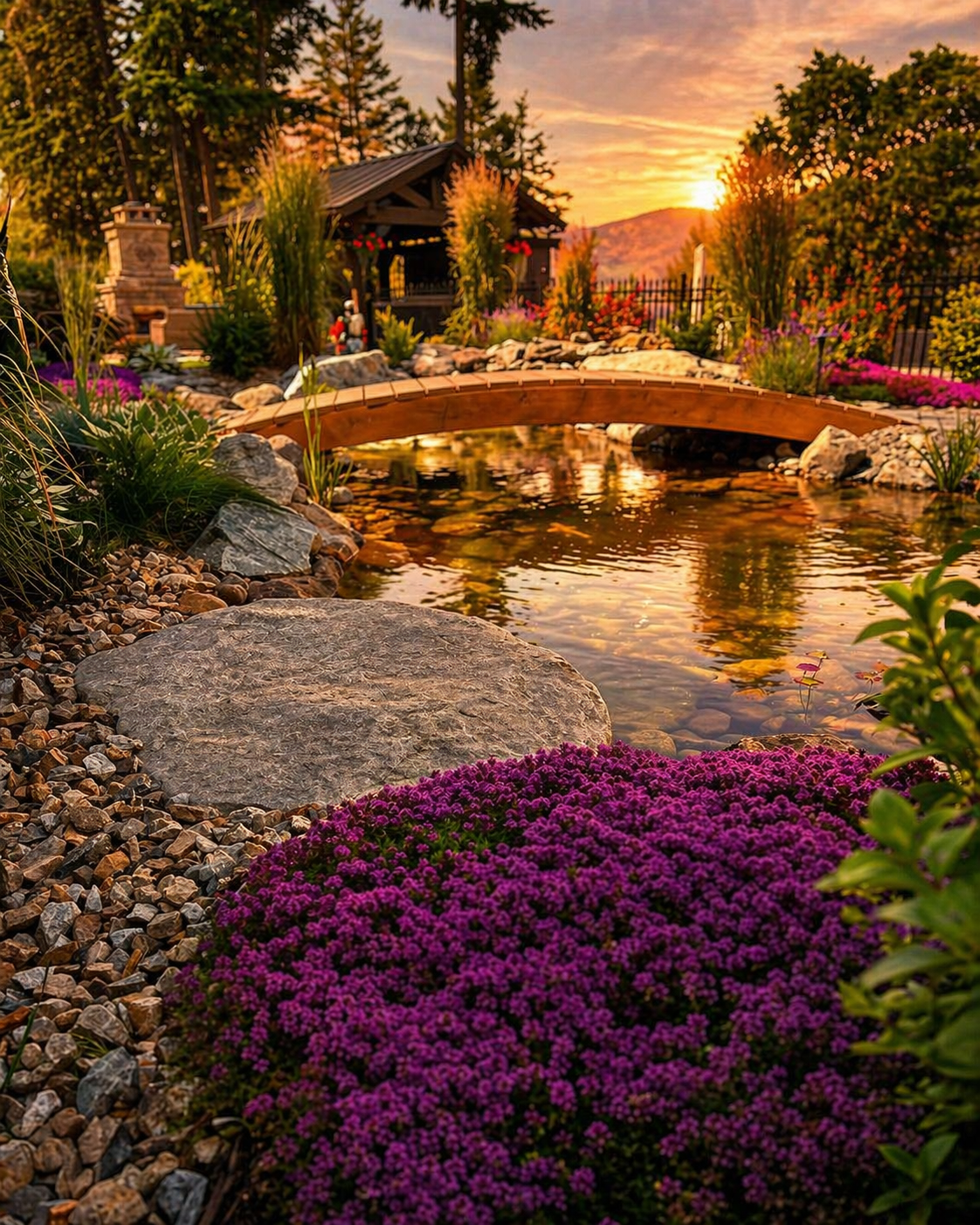
For the engineering and permitting detail behind waterfront wall construction, see our waterfront walls service page. If your property is in the Coldstream area, our Coldstream location page has more on working in this specific market. Two related guides worth reading alongside this one: Landscape Design on the Okanagan Large Lakes Foreshore, which covers the broader design picture beyond just the wall, and Shoreline Design Under BC’s Riparian Areas Regulation, which covers the regulatory framework in more depth.
Planning a Wall on Kalamalka Lake?
Talk to us before you finalize a design — wave exposure, drainage, and permitting all need to be worked out together, not bolted on afterward.
Book a Consultation →